Preparing Your Property for Sale: How to Maximise Buyer Interest
Many sellers underestimate how important preparation is when bringing a property to market.
Preparing Your Property for Sale: How to Maximise Buyer Interest
Many sellers underestimate how important preparation is when bringing a property to market.
They assume:
“If the property is good enough, buyers will see past the mess.”
Usually, they won’t.
Today’s buyers make decisions quickly — often within seconds of viewing photos online or stepping through the front door.
The way your property is presented directly affects:
- Buyer interest
- Viewing levels
- Perceived value
- Offer quality
- Speed of sale
Preparing your property properly does not necessarily mean spending huge amounts of money.
But it does mean approaching the sale strategically.
This guide explains how sellers can maximise buyer interest before launching their property to the market.
First Impressions Matter More Than Ever
Most buyers form opinions almost instantly.
That first impression begins:
- Online
- In property photos
- From the exterior of the property
- Within the first few seconds of entering
If buyers immediately feel:
- Overwhelmed
- Distracted
- Underwhelmed
- Concerned about condition
you are already fighting an uphill battle.
Good preparation helps buyers emotionally connect with the property quickly.
Decluttering Makes a Huge Difference
One of the simplest improvements sellers can make is decluttering.
Clutter makes properties feel:
- Smaller
- Darker
- More chaotic
- Less maintained
You want buyers focusing on:
The space
not
Your belongings.
This does not mean removing all personality.
But reducing excess furniture, paperwork, storage items, and unnecessary clutter massively improves presentation.
Cleanliness Affects Perceived Value
Buyers notice cleanliness immediately.
A property that feels:
- Fresh
- Clean
- Well cared for
creates confidence.
Whereas dirt, smells, stains, or neglected areas subconsciously make buyers worry about wider maintenance issues.
Areas that matter particularly:
- Kitchens
- Bathrooms
- Windows
- Flooring
- Hallways
- Entrance areas
Professional cleaning before photography and viewings is often worth the investment.
Minor Repairs Should Not Be Ignored
Many sellers become blind to small issues over time.
But buyers notice them quickly.
Examples include:
- Peeling paint
- Loose handles
- Broken light fittings
- Damaged sealant
- Squeaky doors
- Cracked tiles
Individually, these may seem minor.
Collectively, they create the impression that the property has not been properly maintained.
That perception reduces buyer confidence.
Natural Light Is a Major Selling Point
Bright properties almost always perform better.
Before photography and viewings:
- Open curtains and blinds fully
- Replace dim bulbs
- Clean windows
- Remove anything blocking light
Dark spaces feel:
- Smaller
- Less inviting
- More dated
Natural light significantly affects emotional buyer response.
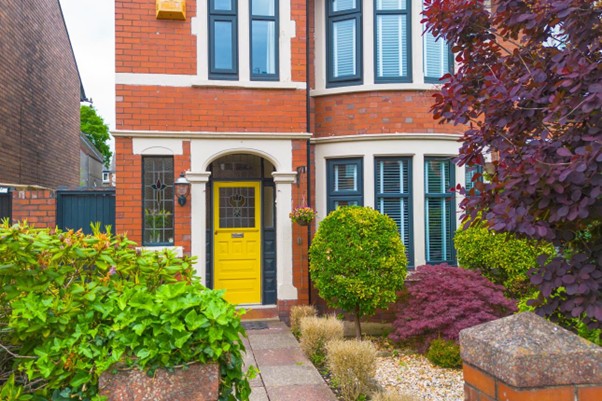
Kerb Appeal Still Matters
Buyers begin judging the property before they even walk inside.
The exterior sets expectations.
Simple improvements can make a major difference:
- Tidy entrance areas
- Clean pathways
- Freshen paintwork if needed
- Remove bins or clutter
- Maintain gardens
You do not need perfection.
But neglect outside immediately damages perception inside.
Neutral Presentation Usually Works Best
Highly personalised properties can make it harder for buyers to imagine themselves living there.
Neutral presentation helps create broader appeal.
This does not mean making the property bland.
It means reducing distractions so buyers focus on:
- Space
- Layout
- Potential
rather than personal taste differences.
Professional Photography Is Critical
Most buyers see your property online before deciding whether to book a viewing.
Weak photography kills interest instantly.
Professional photos should:
- Show space properly
- Use natural light well
- Capture the property accurately
- Highlight key selling points
Poor photos reduce click-through rates and viewing enquiries dramatically.
This is one area sellers should never cut corners on.
Viewings Need Proper Preparation Too
Preparing for viewings matters just as much as preparing for photos.
Before viewings:
- Open windows briefly for fresh air
- Ensure lighting is good
- Keep noise levels low
- Remove clutter again
- Create a calm environment
Buyers need to feel comfortable imagining themselves living there.
You Do Not Always Need Expensive Renovations
Many sellers think:
“We need to completely renovate before selling.”
Often, that is unnecessary.
Major renovations do not always generate equivalent returns.
Usually, buyers respond more to:
- Cleanliness
- Maintenance
- Presentation
- Atmosphere
than expensive upgrades.
The goal is:
Maximising appeal
not
Creating a show home.
Common Preparation Mistakes Sellers Make
The biggest mistakes usually include:
- Doing nothing at all
- Ignoring obvious repairs
- Overpersonalising spaces
- Rushing photography
- Underestimating presentation impact
- Treating viewings casually
Preparation directly affects buyer confidence.
How Easymove Helps Sellers
At Easymove, we help sellers across East London prepare properties strategically before launch.
We help sellers:
- Understand buyer expectations
- Improve presentation
- Position properties effectively
- Maximise viewing interest
- Generate stronger offers
Small improvements often create major differences in results.
Final Thoughts
Preparing your property properly is not about perfection.
It is about:
- Creating strong first impressions
- Building buyer confidence
- Maximising emotional connection
- Helping buyers see the property’s potential
The sellers who prepare properly usually generate:
- More interest
- Better viewings
- Stronger offers
- Faster sales
That preparation pays off.
Reality Check
If your attitude is:
“Buyers can just see past the mess”
You are reducing your own sale potential.
Buyers compare properties constantly.
And the best-presented homes almost always create the strongest results.

Other Guides
Have a look at our other guides.

Property Management for Buy-to-Let Investors
Buying a rental property is only the first step. The real work starts once the property is let.
Property management is what keeps the tenancy running, the property maintained, and the landlord protected.
For investors who want a hands-off approach, professional management can make a major difference.
What does property management include?
Property management can include:
- tenant communication
- rent collection
- maintenance coordination
- inspections
- contractor access
- repairs
- compliance reminders
- renewals
- deposit administration
- check-in and check-out support
- handling tenancy issues
The exact service depends on the agreement with your agent or manager.
Why investors use property management
Many buy-to-let investors do not have the time, experience, or systems to manage everything themselves.
This is especially true for:
- landlords with multiple properties
- landlords living outside the area
- first-time landlords
- investors with full-time jobs
- landlords with compliance-heavy properties
- landlords who do not want tenant calls
- investors who want a more passive approach
A good property manager helps reduce the daily pressure.
Repairs and maintenance
Repairs are one of the biggest parts of property management.
A property manager can help:
- receive repair reports
- assess urgency
- arrange contractor access
- update tenants
- keep landlords informed
- record actions taken
- coordinate completion
- identify repeat issues
Poor repairs management creates unhappy tenants and can damage the property over time.
Inspections
Regular inspections help monitor property condition and identify issues early.
Inspections can help spot:
- leaks
- damp or mould
- damage
- overcrowding concerns
- poor ventilation
- maintenance issues
- tenant care issues
- safety concerns
For landlords, inspections provide useful visibility without needing to visit personally.
Compliance support
Landlords must stay organised with legal and safety responsibilities.
Property managers can help track or coordinate:
- gas safety certificates
- electrical safety checks
- EPCs
- smoke alarms
- carbon monoxide alarms
- licensing
- tenancy documents
- deposit requirements
- right-to-rent checks
Landlords remain responsible for compliance, but a good management process helps avoid missed deadlines and confusion.
Rent collection and arrears
Rent collection is not just about receiving money.
It can include:
- monitoring payment dates
- chasing late payments
- communicating with tenants
- keeping records
- updating landlords
- advising on next steps if arrears continue
For investors, clear rent monitoring is essential.
Property management or Guaranteed Rent?
Property management is where the agent manages the tenancy, but rent still depends on the tenant paying.
Guaranteed Rent is different. Under a Guaranteed Rent arrangement, the landlord receives an agreed fixed rent from Easymove, subject to the terms agreed.
Both options can work. The right one depends on whether you prefer market rent potential or fixed income predictability.
Final thoughts
Buy-to-let property management is not passive unless you have the right support in place.
Investors should think carefully about who will handle tenants, repairs, rent, inspections, and compliance before buying.
Easymove can support landlords with property management and Guaranteed Rent options across East London and surrounding areas.

Guaranteed Rent for Buy-to-Let Investors
Many buy-to-let investors want rental income without the stress of chasing rent, dealing with void periods, or managing tenants directly.
That is where Guaranteed Rent can be useful.
For suitable properties, Easymove can agree a fixed monthly rent with the landlord and manage the property responsibilities under the agreed arrangement.
What is Guaranteed Rent?
Guaranteed Rent is a letting solution where the landlord receives an agreed monthly rent from Easymove for the duration of the agreement.
This means the landlord can receive fixed monthly income even during void periods, subject to the terms agreed.
Easymove then handles the day-to-day management responsibilities set out in the agreement.
Why investors consider Guaranteed Rent
Buy-to-let investors often choose Guaranteed Rent because they want:
- predictable monthly income
- less involvement with tenants
- reduced void period concerns
- professional property management
- fewer day-to-day calls
- support with maintenance coordination
- a more hands-off investment experience
It can be particularly useful for investors with multiple properties or landlords who do not live locally.
How it supports cashflow planning
One of the biggest challenges in buy-to-let is unpredictable income.
A standard tenancy may involve:
- void periods
- rent arrears
- late payments
- tenant changes
- unexpected management issues
Guaranteed Rent can help create more predictable monthly income, making it easier for investors to plan.
Does Guaranteed Rent suit every property?
No. Not every property will be suitable.
Suitability may depend on:
- location
- property type
- condition
- rental demand
- compliance position
- size and layout
- required works
- landlord expectations
- long-term letting strategy
Easymove will usually need to assess the property before confirming whether Guaranteed Rent is suitable.
What does Easymove manage?
Depending on the agreement, Easymove can support with:
- tenant placement
- rent handling
- property management
- inspections
- repairs coordination
- maintenance communication
- compliance support
- day-to-day tenant matters
The exact responsibilities should always be confirmed before proceeding.
Guaranteed Rent vs traditional letting
Traditional letting may suit landlords who want to maximise open-market rent and are comfortable with some risk.
Guaranteed Rent may suit landlords who prefer stability, predictability, and a more hands-off arrangement.
The better option depends on your property, goals, and risk appetite.
Final thoughts
Guaranteed Rent is not just a letting product. For the right investor, it can be a cashflow and management strategy.
It can help reduce uncertainty and give landlords a clearer monthly income expectation.
Easymove can review your property and explain whether Guaranteed Rent may be suitable.

What to Consider Before Buying an Investment Property
Buying an investment property is a serious decision. The wrong property can drain time, money, and energy. The right property can provide stable rental income and long-term value.
Before committing, investors should look beyond the asking price and think about how the property will perform as a rental.
1. Location and tenant demand
Location is one of the biggest factors in rental performance.
Ask:
- Who is likely to rent this property?
- Is there demand from families, professionals, sharers, or students?
- Is the property close to transport?
- Are there schools, shops, and local amenities nearby?
- Is the area popular with renters?
- Is there demand for this property type?
A property can look cheap, but if tenant demand is weak, it may sit empty.
2. Property type
Different property types attract different tenants and management needs.
Examples:
- flats may suit professionals or couples
- houses may suit families
- larger houses may suit sharers or HMO use, subject to licensing
- ex-local authority properties may offer good space but require service charge checks
- mixed-use or commercial assets may need specialist advice
The property type must match the rental strategy.
3. Condition and refurbishment costs
Do not underestimate the cost of getting a property ready to let.
Before buying, consider:
- does it need a new kitchen or bathroom?
- are there damp or mould issues?
- is the heating system reliable?
- are the electrics safe?
- does the property need decorating?
- is the flooring suitable?
- are windows, doors, and locks in good condition?
- will it meet rental standards?
A property that needs heavy work may still be a good investment, but only if the numbers make sense.
4. Compliance and licensing
Landlord compliance is not optional.
Depending on the property and location, you may need to consider:
- gas safety
- electrical safety
- EPC rating
- smoke alarms
- carbon monoxide alarms
- deposit protection
- right-to-rent checks
- selective licensing
- additional licensing
- HMO licensing
- fire safety requirements
Compliance costs and requirements should be checked before purchase, not after.
5. Rental income and running costs
A realistic rental estimate is essential.
You should consider:
- likely monthly rent
- void periods
- repairs
- maintenance
- insurance
- mortgage payments
- service charges
- letting or management fees
- licensing costs
- tax advice
- refurbishment costs
Do not base your decision only on best-case rent.
6. Management strategy
Who will manage the property?
You need a plan for:
- tenant sourcing
- referencing
- rent collection
- maintenance
- emergency repairs
- inspections
- renewals
- compliance
- deposit handling
- tenant communication
If you want to be hands-off, professional property management or Guaranteed Rent may be more suitable.
7. Exit strategy
Before buying, think about how you may exit later.
Ask:
- would the property appeal to future buyers?
- could it sell to homeowners as well as investors?
- is the area likely to remain in demand?
- is the property too specialist?
- are there lease issues?
- are service charges manageable?
A good investment should be lettable and saleable.
Final thoughts
A strong investment property is not just one that looks affordable. It must work financially, legally, operationally, and strategically.
Easymove can help investors consider rental demand, management options, compliance, and Guaranteed Rent suitability before or after purchase.