Making Renting Simple and Stress-Free
At Easymove, we help tenants find suitable homes and support them throughout their tenancy. From property searches and viewings to moving in, reporting repairs, and understanding your responsibilities, our team is here to help.

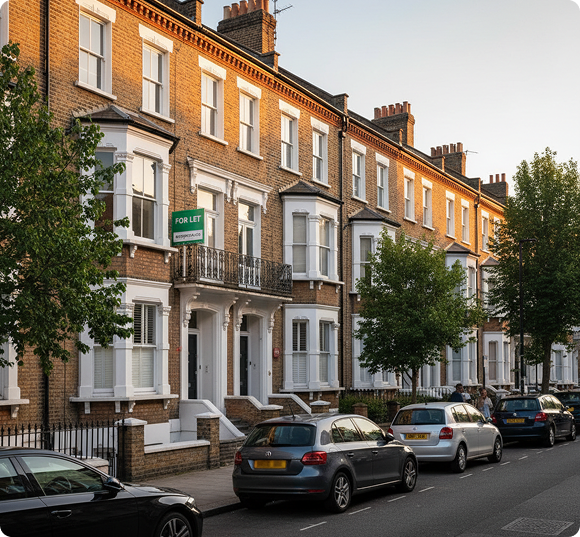
Find Your Next Home
Looking for a flat, house, or shared accommodation? Browse available properties in East London and surrounding areas, then contact our team to arrange a viewing or register your interest.
Explore Properties
Rental
Affordability
Calculator
Check how much rent you may be able to afford based on your income and monthly commitments. This can help you understand your rental budget before applying for a property.
- Quick affordability estimate
- Helps you plan your rental budget
- Useful before booking viewings
Check Your Rental Affordability
Use our quick affordability calculator to estimate how much rent you may be able to afford based on your household income.
This is only a guide. Final affordability will depend on referencing, income checks, credit history, and the landlord’s requirements.
Your affordability result
Affordable monthly rent range
per month (based on 2.5×–3× income rule)
Breakdown
- Combined monthly income
- Max rent range (2.5×–3× rule)
- Monthly outgoings deducted
- Affordable monthly rent

Tenant Fees
We believe tenants should understand all permitted costs clearly before applying for a property. Our fees are transparent and follow the Tenant Fees Act 2019.
- Holding deposit
- Security deposit
- Rent in advance
- Late rent information
- Early termination charges where applicable
- Replacement key or security device charges where applicable
For tenants
Tenant FAQs
Answers to common questions about renting with Easymove, including deposits, referencing, repairs, rent payments, and moving in.
You can enquire about a property online or contact our office directly by phone to arrange a viewing.
If you wish to proceed after viewing the property, you may be asked to complete an application form, provide supporting documents, and pay a holding deposit subject to referencing and landlord approval.
Referencing checks are carried out to help assess affordability and suitability for the tenancy.
This may include:
- employment and income checks
- affordability assessments
- previous landlord references
- Right to Rent checks
- credit checks
- guarantor checks where applicable
The exact requirements may vary depending on the property and landlord criteria.
Applicants are typically asked to provide:
- proof of identity
- proof of address
- proof of income or employment
- Right to Rent documentation
- bank statements or supporting financial information where required
Additional information may sometimes be requested depending on the tenancy application.
Tenancy deposits are generally capped in line with current legislation and are usually equivalent to up to 5 weeks’ rent depending on the tenancy terms.
Deposit requirements will be confirmed before the tenancy agreement is signed.
Tenancy agreements are normally prepared once referencing has been successfully completed and all parties are ready to proceed.
The timing can vary depending on the referencing process and tenancy start date.
Repairs can be reported through multiple channels including:
- telephone
- online reporting systems
- emergency contact lines
We encourage tenants to report issues as early as possible to help prevent problems from worsening and to allow repairs to be managed efficiently.
Emergency repairs are issues which pose an immediate risk to occupants or the property.
Examples may include:
- gas leaks
- major water leaks or flooding
- dangerous electrical faults
- fire-related issues
- total loss of heating during colder periods
Emergency situations should be reported immediately using the appropriate emergency contact channels.
Repair response times depend on the nature and urgency of the issue.
Emergency repairs are prioritised immediately, while routine repairs are handled within appropriate timeframes depending on:
- contractor availability
- access arrangements
- parts availability
- severity of the issue
Some repairs may also require landlord approval before works can proceed.
Tenants should obtain written permission before carrying out decoration, alterations, or changes to the property.
Requests are considered on a case-by-case basis and may require landlord approval before works can proceed.
Major alterations or unauthorised works are not permitted.
If safe to do so, tenants should attempt to minimise damage by:
- turning off the water supply where possible
- containing water using buckets or towels
- moving belongings away from affected areas
The issue should then be reported immediately to our team using the appropriate repair or emergency reporting channels.
Where there is immediate danger or severe flooding, emergency services may also need to be contacted.
Rent is usually paid by standing order or bank transfer directly into the designated account provided at the start of the tenancy.
Standing order payments are generally recommended to help avoid missed or late payments.
If you experience difficulties making payment, we encourage tenants to contact our team as early as possible.
Our approach is to communicate proactively and work towards resolving issues professionally where possible.
Persistent arrears or non-payment may result in further action being taken in accordance with the tenancy agreement and current legislation.
Unless otherwise agreed in writing, tenants are normally responsible for utility bills and household outgoings during the tenancy.
This may include:
- gas
- electricity
- water
- council tax
- broadband and media services
Tenants should ensure accounts are correctly transferred into their name where applicable.
Requests relating to adding or removing occupiers, leaving early, or making tenancy changes should be discussed with our team as soon as possible.
Such requests are considered on a case-by-case basis and may require landlord approval, updated referencing, or tenancy amendments.
Yes. Routine inspections are carried out periodically throughout the tenancy as part of our management process.
Inspections help monitor property condition, identify maintenance concerns early, and ensure the property is being occupied appropriately.
Appropriate notice is normally provided before inspections take place.
Pet requests are considered on a case-by-case basis and may require landlord approval depending on the property and tenancy terms.
Tenants should always seek permission before keeping pets at the property.
Short-term guests are generally acceptable within reasonable limits.
However, long-term occupancy or additional occupiers should not move into the property without permission, as this may breach tenancy terms or licensing conditions.
If circumstances change, tenants should contact our team for guidance.
At the end of the tenancy, tenants are generally expected to:
- remove all personal belongings
- return keys
- clear any outstanding rent
- ensure utility accounts are up to date
- leave the property in an appropriate condition
A check-out inspection will normally be carried out following vacating.
Once the tenancy ends and the check-out inspection has been completed, the deposit return process will begin.
Any proposed deductions will be discussed where applicable, and deposits are handled in accordance with the tenancy deposit protection scheme rules.
Where disputes arise, the relevant deposit protection scheme dispute resolution process may be available.
Fair wear and tear through normal day-to-day use is expected over time.
However, damage caused by neglect, misuse, poor care, unauthorised alterations, or failure to maintain the property appropriately may result in charges or deposit deductions following the check-out inspection.
Find Your New Home Today
Can’t find the right property? Register your details with Easymove and our team can contact you when a suitable home becomes available