Upton Park Area Guide
Explore Upton Park with our local area guide, covering transport links, schools, local amenities and insights into the area's property market.
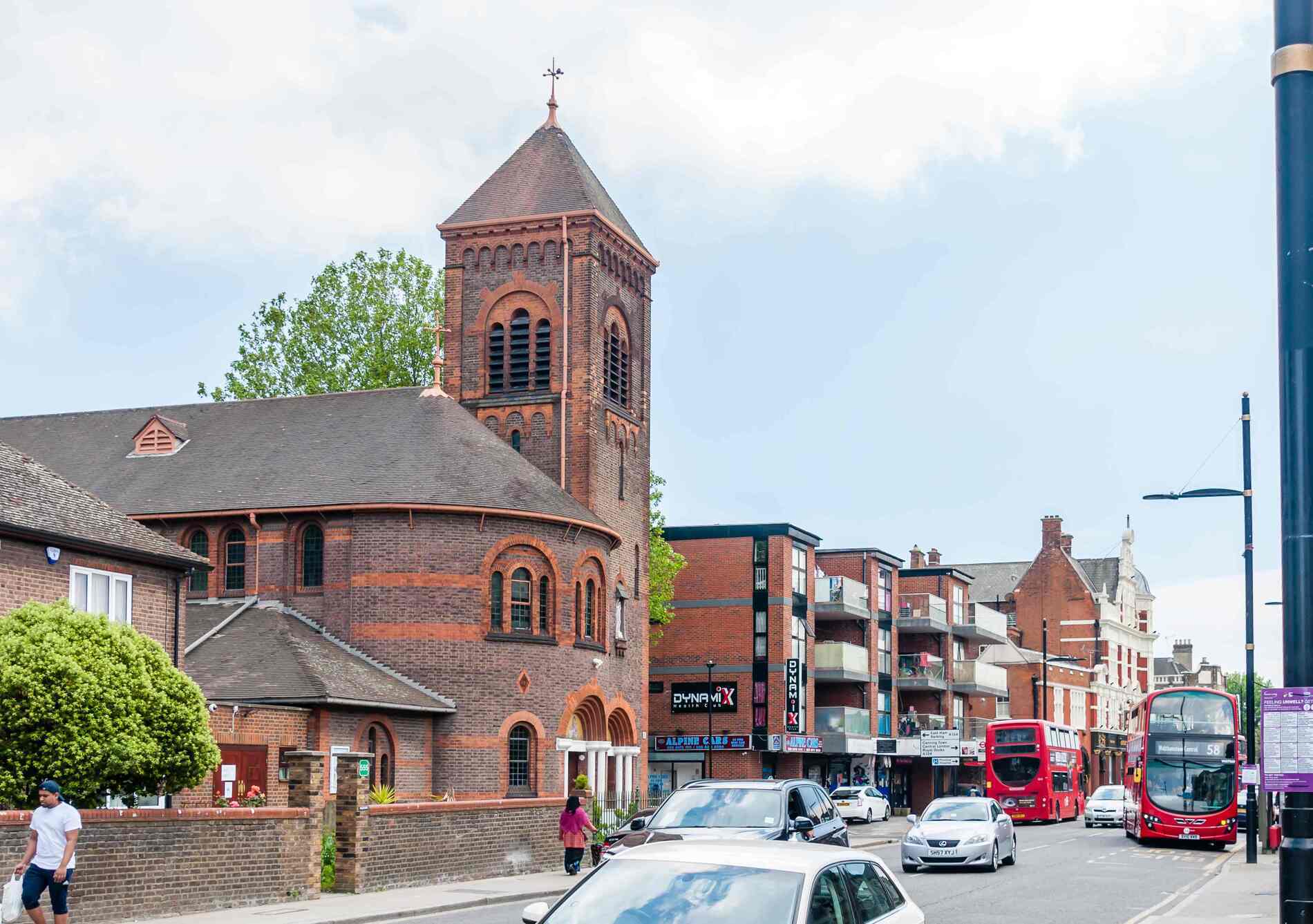
Upton Park Area Guide
Upton Park is a vibrant and well-established neighbourhood in the London Borough of Newham, known for its strong community spirit, excellent transport links and diverse range of local amenities. Popular with families, professionals, landlords and first-time buyers, Upton Park continues to be one of East London's most sought-after residential areas.
The area is exceptionally well connected, with Upton Park Underground Station providing direct access to the District and Hammersmith & City lines. This allows residents to travel easily into the City, Canary Wharf, Stratford and other key parts of London. The nearby A13 also offers convenient road connections for those travelling further afield.
Upton Park is home to the bustling Green Street, famous for its independent retailers, restaurants and vibrant multicultural atmosphere. Residents benefit from a wide selection of supermarkets, cafés, healthcare facilities and leisure amenities, while nearby parks and open spaces provide opportunities for recreation and family activities. The area is also well served by a number of primary and secondary schools.
The local property market offers a mix of Victorian and Edwardian terraced homes, purpose-built flats and newer residential developments. Strong rental demand, excellent transport links and its established local community continue to make Upton Park an attractive option for both owner-occupiers and investors.
Whether you're looking to buy, sell, rent or invest, Upton Park offers a unique combination of convenience, character and connectivity within the heart of East London.

Other Guides
Have a look at our other guides.

Property Management for Buy-to-Let Investors
Buying a rental property is only the first step. The real work starts once the property is let.
Property management is what keeps the tenancy running, the property maintained, and the landlord protected.
For investors who want a hands-off approach, professional management can make a major difference.
What does property management include?
Property management can include:
- tenant communication
- rent collection
- maintenance coordination
- inspections
- contractor access
- repairs
- compliance reminders
- renewals
- deposit administration
- check-in and check-out support
- handling tenancy issues
The exact service depends on the agreement with your agent or manager.
Why investors use property management
Many buy-to-let investors do not have the time, experience, or systems to manage everything themselves.
This is especially true for:
- landlords with multiple properties
- landlords living outside the area
- first-time landlords
- investors with full-time jobs
- landlords with compliance-heavy properties
- landlords who do not want tenant calls
- investors who want a more passive approach
A good property manager helps reduce the daily pressure.
Repairs and maintenance
Repairs are one of the biggest parts of property management.
A property manager can help:
- receive repair reports
- assess urgency
- arrange contractor access
- update tenants
- keep landlords informed
- record actions taken
- coordinate completion
- identify repeat issues
Poor repairs management creates unhappy tenants and can damage the property over time.
Inspections
Regular inspections help monitor property condition and identify issues early.
Inspections can help spot:
- leaks
- damp or mould
- damage
- overcrowding concerns
- poor ventilation
- maintenance issues
- tenant care issues
- safety concerns
For landlords, inspections provide useful visibility without needing to visit personally.
Compliance support
Landlords must stay organised with legal and safety responsibilities.
Property managers can help track or coordinate:
- gas safety certificates
- electrical safety checks
- EPCs
- smoke alarms
- carbon monoxide alarms
- licensing
- tenancy documents
- deposit requirements
- right-to-rent checks
Landlords remain responsible for compliance, but a good management process helps avoid missed deadlines and confusion.
Rent collection and arrears
Rent collection is not just about receiving money.
It can include:
- monitoring payment dates
- chasing late payments
- communicating with tenants
- keeping records
- updating landlords
- advising on next steps if arrears continue
For investors, clear rent monitoring is essential.
Property management or Guaranteed Rent?
Property management is where the agent manages the tenancy, but rent still depends on the tenant paying.
Guaranteed Rent is different. Under a Guaranteed Rent arrangement, the landlord receives an agreed fixed rent from Easymove, subject to the terms agreed.
Both options can work. The right one depends on whether you prefer market rent potential or fixed income predictability.
Final thoughts
Buy-to-let property management is not passive unless you have the right support in place.
Investors should think carefully about who will handle tenants, repairs, rent, inspections, and compliance before buying.
Easymove can support landlords with property management and Guaranteed Rent options across East London and surrounding areas.

Guaranteed Rent for Buy-to-Let Investors
Many buy-to-let investors want rental income without the stress of chasing rent, dealing with void periods, or managing tenants directly.
That is where Guaranteed Rent can be useful.
For suitable properties, Easymove can agree a fixed monthly rent with the landlord and manage the property responsibilities under the agreed arrangement.
What is Guaranteed Rent?
Guaranteed Rent is a letting solution where the landlord receives an agreed monthly rent from Easymove for the duration of the agreement.
This means the landlord can receive fixed monthly income even during void periods, subject to the terms agreed.
Easymove then handles the day-to-day management responsibilities set out in the agreement.
Why investors consider Guaranteed Rent
Buy-to-let investors often choose Guaranteed Rent because they want:
- predictable monthly income
- less involvement with tenants
- reduced void period concerns
- professional property management
- fewer day-to-day calls
- support with maintenance coordination
- a more hands-off investment experience
It can be particularly useful for investors with multiple properties or landlords who do not live locally.
How it supports cashflow planning
One of the biggest challenges in buy-to-let is unpredictable income.
A standard tenancy may involve:
- void periods
- rent arrears
- late payments
- tenant changes
- unexpected management issues
Guaranteed Rent can help create more predictable monthly income, making it easier for investors to plan.
Does Guaranteed Rent suit every property?
No. Not every property will be suitable.
Suitability may depend on:
- location
- property type
- condition
- rental demand
- compliance position
- size and layout
- required works
- landlord expectations
- long-term letting strategy
Easymove will usually need to assess the property before confirming whether Guaranteed Rent is suitable.
What does Easymove manage?
Depending on the agreement, Easymove can support with:
- tenant placement
- rent handling
- property management
- inspections
- repairs coordination
- maintenance communication
- compliance support
- day-to-day tenant matters
The exact responsibilities should always be confirmed before proceeding.
Guaranteed Rent vs traditional letting
Traditional letting may suit landlords who want to maximise open-market rent and are comfortable with some risk.
Guaranteed Rent may suit landlords who prefer stability, predictability, and a more hands-off arrangement.
The better option depends on your property, goals, and risk appetite.
Final thoughts
Guaranteed Rent is not just a letting product. For the right investor, it can be a cashflow and management strategy.
It can help reduce uncertainty and give landlords a clearer monthly income expectation.
Easymove can review your property and explain whether Guaranteed Rent may be suitable.

What to Consider Before Buying an Investment Property
Buying an investment property is a serious decision. The wrong property can drain time, money, and energy. The right property can provide stable rental income and long-term value.
Before committing, investors should look beyond the asking price and think about how the property will perform as a rental.
1. Location and tenant demand
Location is one of the biggest factors in rental performance.
Ask:
- Who is likely to rent this property?
- Is there demand from families, professionals, sharers, or students?
- Is the property close to transport?
- Are there schools, shops, and local amenities nearby?
- Is the area popular with renters?
- Is there demand for this property type?
A property can look cheap, but if tenant demand is weak, it may sit empty.
2. Property type
Different property types attract different tenants and management needs.
Examples:
- flats may suit professionals or couples
- houses may suit families
- larger houses may suit sharers or HMO use, subject to licensing
- ex-local authority properties may offer good space but require service charge checks
- mixed-use or commercial assets may need specialist advice
The property type must match the rental strategy.
3. Condition and refurbishment costs
Do not underestimate the cost of getting a property ready to let.
Before buying, consider:
- does it need a new kitchen or bathroom?
- are there damp or mould issues?
- is the heating system reliable?
- are the electrics safe?
- does the property need decorating?
- is the flooring suitable?
- are windows, doors, and locks in good condition?
- will it meet rental standards?
A property that needs heavy work may still be a good investment, but only if the numbers make sense.
4. Compliance and licensing
Landlord compliance is not optional.
Depending on the property and location, you may need to consider:
- gas safety
- electrical safety
- EPC rating
- smoke alarms
- carbon monoxide alarms
- deposit protection
- right-to-rent checks
- selective licensing
- additional licensing
- HMO licensing
- fire safety requirements
Compliance costs and requirements should be checked before purchase, not after.
5. Rental income and running costs
A realistic rental estimate is essential.
You should consider:
- likely monthly rent
- void periods
- repairs
- maintenance
- insurance
- mortgage payments
- service charges
- letting or management fees
- licensing costs
- tax advice
- refurbishment costs
Do not base your decision only on best-case rent.
6. Management strategy
Who will manage the property?
You need a plan for:
- tenant sourcing
- referencing
- rent collection
- maintenance
- emergency repairs
- inspections
- renewals
- compliance
- deposit handling
- tenant communication
If you want to be hands-off, professional property management or Guaranteed Rent may be more suitable.
7. Exit strategy
Before buying, think about how you may exit later.
Ask:
- would the property appeal to future buyers?
- could it sell to homeowners as well as investors?
- is the area likely to remain in demand?
- is the property too specialist?
- are there lease issues?
- are service charges manageable?
A good investment should be lettable and saleable.
Final thoughts
A strong investment property is not just one that looks affordable. It must work financially, legally, operationally, and strategically.
Easymove can help investors consider rental demand, management options, compliance, and Guaranteed Rent suitability before or after purchase.