Find Your Perfect Home in London
Whether you are a first-time buyer, moving home, or looking for an investment property, Easymove can help you search with confidence and guide you through the buying process.
The Buying Process Guide
Buying a property can feel complicated, especially if it is your first time. Our step-by-step guide explains what to expect and how Easymove can support you from your initial search through to completion.
Buy-to-Let Support
Buying a property as an investment? Easymove can help you understand the rental potential, management options, and Guaranteed Rent opportunities before or after purchase.
We can support investors with:
- Rental demand insight
- Buy-to-let guidance
- Property management options
- Guaranteed Rent estimates
- Compliance and property readiness advice
Get a Guaranteed Rent Estimate in 60 Seconds
Enter the property details below to receive an instant estimated Guaranteed Rent range.
✅ No fees ✅ No obligation ✅ Takes less than 60 seconds
Almost there — your estimate is ready. We don’t currently cover your area.
Enter your details and we’ll show you your guaranteed rent estimate.
Leave your details and we’ll get in touch when we expand to your area.
Your guaranteed rent estimate
For a
Estimated monthly rent
per month
- ✓ Guaranteed monthly income
- ✓ No tenant management
- ✓ Long-term contracts available
Figures are estimates only and subject to property inspection.
📍
We don’t currently cover your area
Thanks for your interest — we’ve saved your details and will be in touch when we expand to .
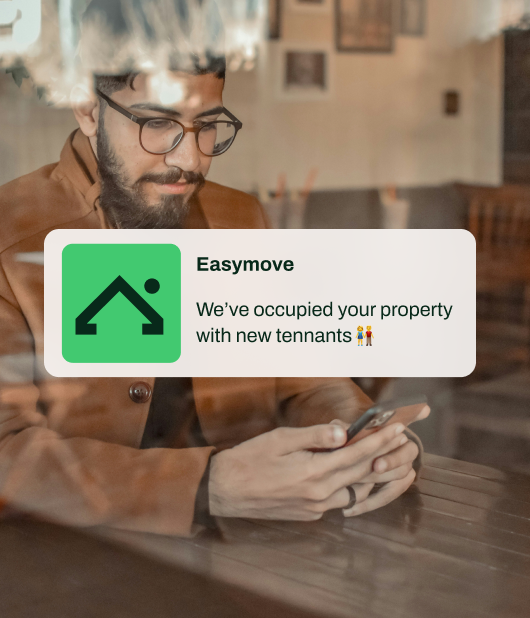
Turnkey Support
Turnkey Support for Property Investors
For buyers looking at investment properties, Easymove can provide support beyond the purchase. From lettings advice and property readiness to management and Guaranteed Rent options, our team can help you plan the next step with confidence.
We can help with:
- Rental valuation guidance
- Lettings and management advice
- Property readiness recommendations
- Compliance considerations
- Refurbishment and upgrade advice
- Guaranteed Rent discussions where suitable
Stamp Duty Calculator
Estimate how much Stamp Duty you may need to pay when buying a property. This can help you understand your overall purchase costs before making an offer.
- Useful for first-time buyers
- Helps home movers understand purchase costs
- Relevant for additional property and buy-to-let purchases
- Gives a quick estimate before you proceed
Calculate your stamp duty
Enter the property price and buyer type to estimate the Stamp Duty that may be payable.
Your stamp duty estimate
Total Stamp Duty due
First-time buyer relief does not apply to properties over £500,000. Standard rates have been used.
No Stamp Duty to pay on this purchase.
Tax breakdown
For Buyers
Frequently asked questions
Answers to common questions about buying a property with Easymove, including offers, mortgages, property chains, costs, and the sales progression process.
Once you identify a property you are interested in, our team can arrange viewings, answer questions regarding the property, and guide you through the offer process.
If your offer is accepted, the transaction then moves into the legal and conveyancing stage where solicitors, mortgage lenders, surveys, and searches are coordinated until completion.
Once an offer is agreed, both parties will normally appoint solicitors and the conveyancing process begins.
This may involve:
- mortgage applications
- property surveys
- searches
- legal enquiries
- chain coordination
- exchange of contracts
- completion arrangements
Our team remains involved throughout the process to help progress the transaction and maintain communication between all parties.
Timescales can vary significantly depending on:
- mortgage processing
- solicitor responsiveness
- surveys
- chains
- searches
- legal enquiries
While some transactions move quickly, others may take longer depending on complexity and the number of parties involved.
A property chain occurs when multiple linked transactions depend on one another completing successfully.
For example, a seller may need to buy another property before they can move, while their seller may also be waiting on another transaction.
Longer chains can increase delays and complexity during the buying process.
In addition to the purchase price, buyers should also budget for potential costs such as:
- solicitor fees
- mortgage fees
- surveys
- stamp duty where applicable
- service charges
- ground rent
- moving costs
- furnishing or refurbishment works
Understanding the full cost of ownership is important before proceeding.
An Agreement In Principle (AIP) is not always required before viewings, however buyers will normally be expected to provide proof of affordability once making an offer.
This may include:
- mortgage agreements in principle
- proof of deposit
- identification documents
- affordability evidence
Affordability checks help ensure buyers are financially prepared and capable of proceeding with the purchase.
With mortgage lending criteria becoming stricter in recent years, realistic budgeting and financial preparation are increasingly important.
During the buying process, buyers may be asked to provide documents such as:
- proof of identification
- proof of address
- proof of deposit funds
- affordability evidence
- mortgage agreements in principle where applicable
These checks form part of the legal, financial, and anti-money laundering processes involved in property transactions.
Mortgage delays can sometimes occur due to:
- underwriting requirements
- additional lender checks
- valuation issues
- documentation requests
- changing lending criteria
Good communication between buyers, brokers, solicitors, and agents is often important in helping transactions continue progressing smoothly.
Yes. Buyers today are generally subject to more detailed affordability and lending checks than in previous years.
Mortgage lenders are often carrying out stricter stress testing and affordability assessments before approving finance.
Many buyers continue to see East London as an attractive long-term location due to:
- transport improvements
- regeneration
- ongoing demand
- comparatively affordable areas relative to wider London
- strong long-term growth potential
Demand remains particularly strong in well-connected areas.
Ex-local authority properties can offer:
- larger room sizes
- practical layouts
- comparatively attractive pricing
- strong transport-linked locations in many areas
However, buyers should also carefully consider:
- service charges
- block management
- planned major works
- lease terms
- long-term maintenance considerations
Transport connectivity has a major impact on both property values and long-term demand across East London.
The Elizabeth Line in particular has significantly increased demand in many connected areas, while Underground, Overground, and DLR access continue influencing both desirability and future resale potential.
Buyers should carefully consider factors such as:
- property condition
- lease length
- service charges
- transport links
- storage
- noise levels
- damp or structural concerns
- future maintenance works
- local demand
- building condition where applicable
Taking time to properly assess a property before committing is always advisable.
Yes. Service charges can significantly affect long-term ownership costs, particularly within leasehold developments and larger blocks.
Buyers should carefully review:
- current charges
- planned major works
- management quality
- reserve funds
- historical increases
before committing to a purchase.
In most cases, obtaining an independent survey is advisable, even for flats and seemingly modern properties.
Surveys can help identify:
- structural issues
- damp
- defects
- maintenance concerns
- future repair costs
This can help buyers make more informed decisions before proceeding.
Conveyancing is the legal process of transferring ownership from the seller to the buyer.
This normally involves:
- legal enquiries
- property searches
- mortgage checks
- contract preparation
- title checks
- exchange of contracts
- completion
Using proactive and experienced solicitors can often make a significant difference to transaction progress.
Yes. Some properties are sold with sitting tenants, particularly within investor-led transactions.
However, buyers should fully understand:
- tenancy agreements
- rental income
- tenant rights
- mortgage requirements
- management responsibilities
before proceeding with a tenanted purchase.
Common buyer mistakes may include:
- overstretching affordability
- ignoring service charges
- skipping surveys
- emotional bidding
- underestimating ownership costs
- failing to research the local area properly
Taking a realistic and informed approach is often important when making long-term property decisions.
You can contact Easymove directly or submit an enquiry through our website to arrange:
- property viewings
- sales valuations
- rental valuations
- Guaranteed Rent discussions
Our team will guide you through the next steps based on your requirements.